Ravault Energy builds the full renewable value chain — from solar generation to safe, long-duration flow-battery storage and reliable grid delivery. Indigenized, safe, and cost-effective.
Solar and wind are now the cheapest sources of new power, yet they are intermittent. Without affordable, long-duration storage, clean electricity cannot be delivered when it is actually needed — after sunset and through peak evening demand.
Solar output collapses at night and dips with weather, leaving a multi-hour gap between generation and demand.
Most lithium batteries economically cover only 2–4 hours — far short of the 10+ hours needed to firm up renewables.
Large lithium installations carry thermal-runaway and fire risk, making siting near communities and grids harder.
Critical battery materials and cells are concentrated in a few countries, exposing energy security to supply shocks.
Delivering round-the-clock clean power remains expensive when storage costs stay high per kilowatt-hour.
Grids need flexible, dispatchable capacity to stay stable as more variable renewables come online.
Solar power is not dispatchable — it cannot be called on when the grid needs it. Redox flow batteries make solar dispatchable, storing energy to deliver on demand.
Ravault Energy pairs solar generation with our indigenized flow-battery storage to deliver firm, clean power to the grid — safely and affordably.
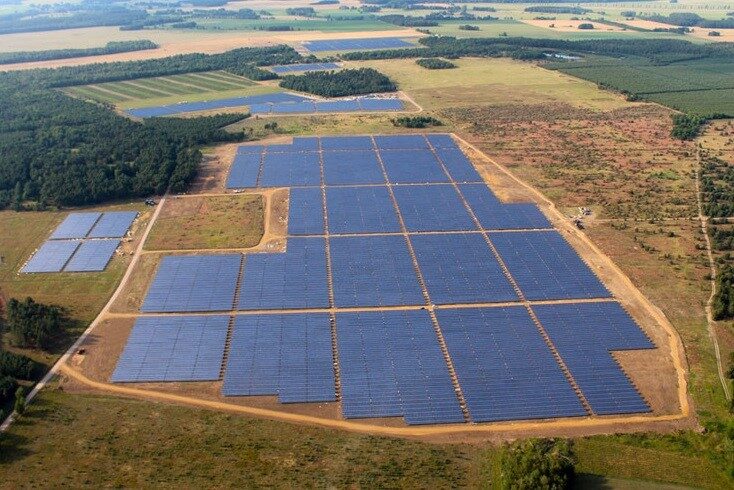
Utility-scale solar produces low-cost clean electricity during the day.
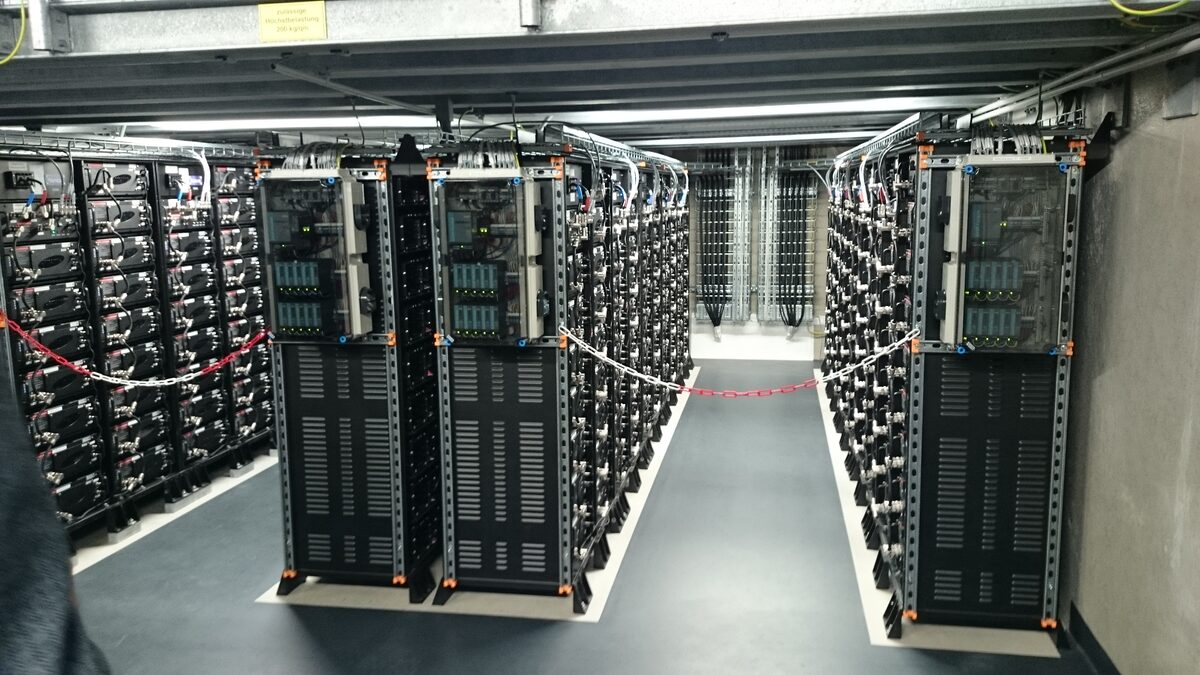
Excess energy is stored in safe, long-duration flow batteries for 10+ hours.
Representative energy-storage installation.
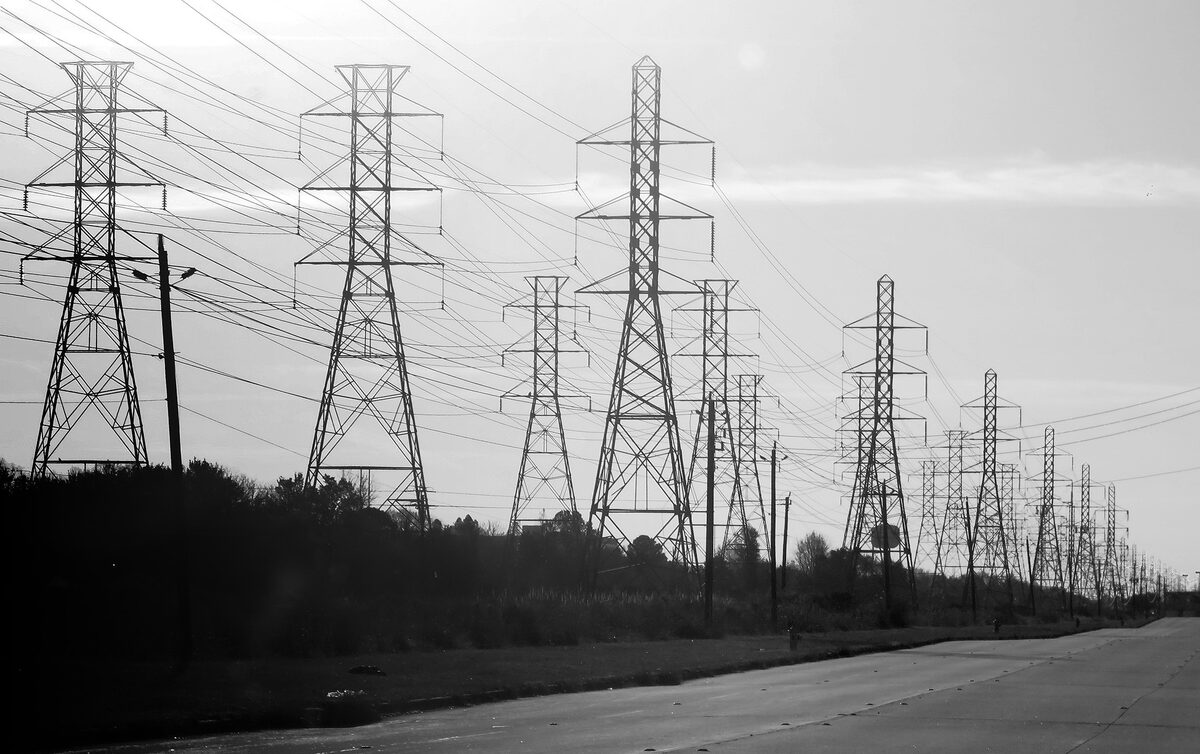
Firm, dispatchable clean power is delivered to the grid whenever it's needed.
Non-flammable, water-based electrolyte. No thermal runaway — safe to site near homes and grids.
Built on a domestic supply chain — energy security that's immune to geopolitical shifts.
Engineered to make round-the-clock clean power affordable at scale.
Long-duration by design — it decouples power from energy to firm up renewables overnight.
A flow battery stores energy in two liquid electrolytes held in external tanks. Because energy lives in the tanks and power is set by the cell stack, you can scale duration simply by using bigger tanks.
Two electrolytes are pumped from their tanks through a central cell stack. Inside the stack, the liquids are kept apart by an ion-exchange membrane while an electrochemical reaction takes place at each electrode.
Diagram is schematic and simplified to illustrate the working principle.
Whether you're a utility, developer, or partner, tell us how we can help — or request a meeting at our IIT Bombay office.